Courage

“Courage is not the towering oak that sees storms come and go; it is the fragile blossom that opens in the snow.” Alice Mackenzie Swaim

I have loved the above quote for as long as I can remember. In fact, if I recall correctly, I used this quote for my senior yearbook. I cannot find the yearbook to confirm. Therefore, you, reader, will need to take my word for it.

Despite the fact that this quote has always resonated with me, I once viewed courage differently. As a child, when I thought about courage, I would think of the typical “hero.” I am sure you know the one. The one up against impossible odds, who leans into whatever challenge they are faced with and comes out on top. The strong, brave ones and not the fragile underdog. Specifically, what I definitely did not think of in my younger years was foster care.

I previously mentioned I have been absent recently due to a multitude of life changes. Some of these changes have challenged me on the deepest level. Among the changes, was becoming a licensed foster care provider. The same day the license was official; our first foster placement was born and we got our first call. To say it took some courage to say “yes,” to that call is an understatement. After a frantic two days of nursery set up, I learned my first lesson as a parent in courage. This now permanent yes, is one of the best yes’ I have ever said.

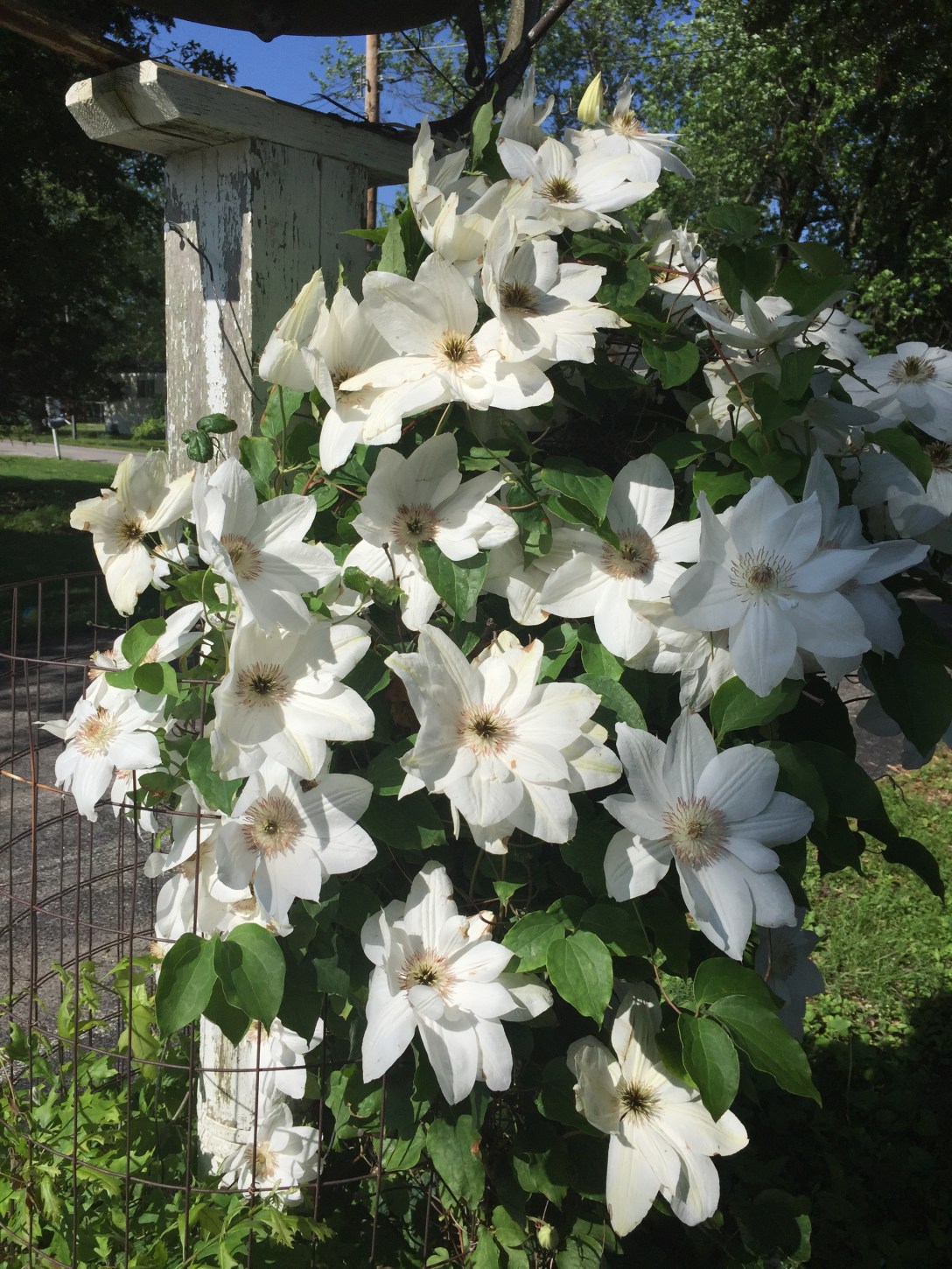
There are a number of things I thought I might learn from being a parent. Courage was not one of them. However, there it was…a deeply buried, beautiful, flowering courage not previously identified, but nonetheless shining bright within my heart. Simultaneously, there was that same flowering courage existing so vibrantly in the children I love. My kids are the most courageous people I have ever met. That they can still experience joy after all the various traumas they have endured, is unbelievable. When you meet them, you might never know the abuse or neglect they have experienced….but we do. We know their joy is fragile; it does not take much to remind them. We are with them through the sleepless nights, the tears, the tantrums, the fears, and the anxiety. It is nauseating to listen to the the older children we have parented tell stories no elementary student should even know. Courage sometimes makes me want to throw up. Most often, it makes me want to cry. It regularly causes loss of sleep. Courage is ugly, messy and not at all heroic looking when it is actually happening. It is hard…so terribly hard.

My little superheroes are worth it. Their courage is a choice. So, too, is my choice to love them. Foster care teaches you very quickly that love is NOT just a feeling. Nobody lacking courage would choose to feel this way. Many people have told me they could never do what we do, and honestly, we cannot either by ourselves, but God is present. Therefore, we get on our knees and send a plea to the one who can do anything. Courage looks a lot different to me, now. Watching my little blossoms flourish is the honor of my lifetime.
The Most Troublesome Interview Question

“Don’t live the same year 75 times and call it a life.” – Robin Sharma

Residency interviews are upon us. It is a somewhat hectic time of year which requires everyone in the department to take on extra duties in order to support those who will be interviewing the candidates. I am grateful to work within a program that values training and preparing the future generation of pharmacists. I always look forward to the excitement surrounding this time of year! I guess you could join others and call me a nerd. As I sat down to compile the list of questions that will be asked of candidates this year, I recalled my least favorite one. It goes something like this… “Where do you see yourself in ten years?”

Each time I was asked the question in my own interviews, I desperately wanted to say “Oh, I don’t know, let me get out my crystal ball for a consult.” Instead, I answered for my audience. It was a well-rehearsed speech about my career goals. I answered the question in the way I wanted to be perceived, i.e., career oriented, little focus on social life, non-time-consuming hobbies, work experience with X organization, blah, blah, blah. At the time, I gave very little thought to what a balanced life would mean.  This question did not tell the interviewer anything about me, anyway. After I answered, the interviewer was no closer to making a decision regarding my qualifications than before the question was asked.

Watching the unknown unfold, creating new short-term goals, and maintaining some measure of focus on the things that mattered most, was the best part of my college and residency tenure. The things I love most about my life now were definitely NOT in my ten-year plan. And so, nearly ten years from when I first answered the question that I still loathe, I am someone far different than who I thought I would be. Today, I hold a position within the profession of pharmacy I never imagined or knew was a possibility. When asked the question, I did not say anything about how much knowledge that I hoped to gain in my field, which seems odd to me now.

Thinking everything is figured out is a mistake. That sort of mindset will almost certainly haunt the “know it all” as the world crumples around them. The preferred question to ask is lengthy and probably too personal in an interview situation. “Where do you see yourself in 50 years?” In order to answer that question, one must likely ask themselves this follow-up question. “In 50 years, what will I wish I had done with my life?”

If one lives and dies by their ten-year plan, it might mean missing out on the fifty-year goals. When looked at over many years, exceeding in well thought-out ten-year goals sometimes means sacrificing the long-term goals. In other words, we need to look at the bigger picture. Ten-year goals are self-centered. Fifty-year goals, then, are the ones that may take a lifetime to build, the opportunities that may take years of courage to complete, and the things people often regret not doing. They also include how you affected those you come in contact with. I will be honest…it is so difficult to live in a manner that focuses on the fifty-year plan. Believe me, mine is a work in progress.

The fifty-year plan requires vulnerability in order to create a legacy. So, go ahead and ask me “where do you want to be in 50 years?” I can already tell you! In my big picture, I am old and telling stories of the places I have traveled, the risks I have taken that paid off, and those that did not. I am confident I will be imparting life lessons learned through experience and will have created a legacy that remains on the Earth long after I depart from it. I hope those around me will remember how much I loved them, and how I choose meaningful relationships instead of a rote ten-year plan.

In short, I will not be asking the question “where do you see yourself in ten years” this interview season. Moreover, this week I encourage you to come up with a plan for those missing 40 years. I will be sure to let you know how my fifty-year plan turns out…. if blogging is even a thing in 2070!

©2020 Inspired Pharmacist

Who Heals The Healers?

“A healer is not someone you go to for healing. A healer is someone who triggers within you the ability to heal yourself. ” -Unknown

“You up for a hug today, honey?” “Always,” I exclaimed. My favorite “lunch lady” was up to her usual tactics of cheering everyone she encountered, or at least trying. Sometimes, I long for her job. She is seemingly unburdened as she listens to everyone’s life story, pausing a moment here and there in the hustle of the day to really connect with coworkers and patient family members. I feel I sometimes do not have this luxury.

As I was preparing to write this week, I came across a staggering statistic from U.S. News and World Report. One-third of physicians report experiencing burnout at any given point. I know my blog is entitled Inspired Pharmacist, but one can imagine that these statistics at least somewhat translate across any profession involving high stress and high stakes. So, I went looking for the data. There it was, I found a similar rate reported among clinical pharmacists, especially those working primarily in critical care areas. I have not looked into contributing factors, but I can imagine burnout results in less empathy toward patients and increased feelings of being overwhelmed.

Consequently, I began to ask myself the question “who heals the healers?” Who are the ones who take the time to care about the ones caring for everyone else? Who are the ones who help restore empathy to health care professionals? Who are the ones who help restore depleted compassion?

The first person I thought of was the “lunch lady!” Many may not realize it, but she is part of the heart of the hospital. Whether she knows it or not, she carries a heavy burden. In fact, she carries a very important load, healing the healers. She, and others like her, are vital members of the patient care team. In a way, she mends the leaking wounds of other staff members and boosts morale as they go about their days. While I know and understand that a lot of healing comes from within, someone like her adds another layer of nearly impenetrable strength to our emotional armor.

We can all play a role in healing each other both emotionally, spiritually and mentally. When situations are viewed honestly and with a willingness to help, doors open and the healing process begins. In the course of healing, the one being healed and the healer both thrive.

While this lesson may be repetitive…be kind. Be the “lunch lady” to those you meet each day.

Seasons of Love

The leaves are about to show us how lovely it is to let things go. – Unknown

Recently, we cared for an elderly woman who presented with a massive stroke. When it was clear she would not make it, I heard her husband say to the chaplain “we have been married 70 and ½ years, and I say the ½, because like a kid I was really looking forward to 71.”

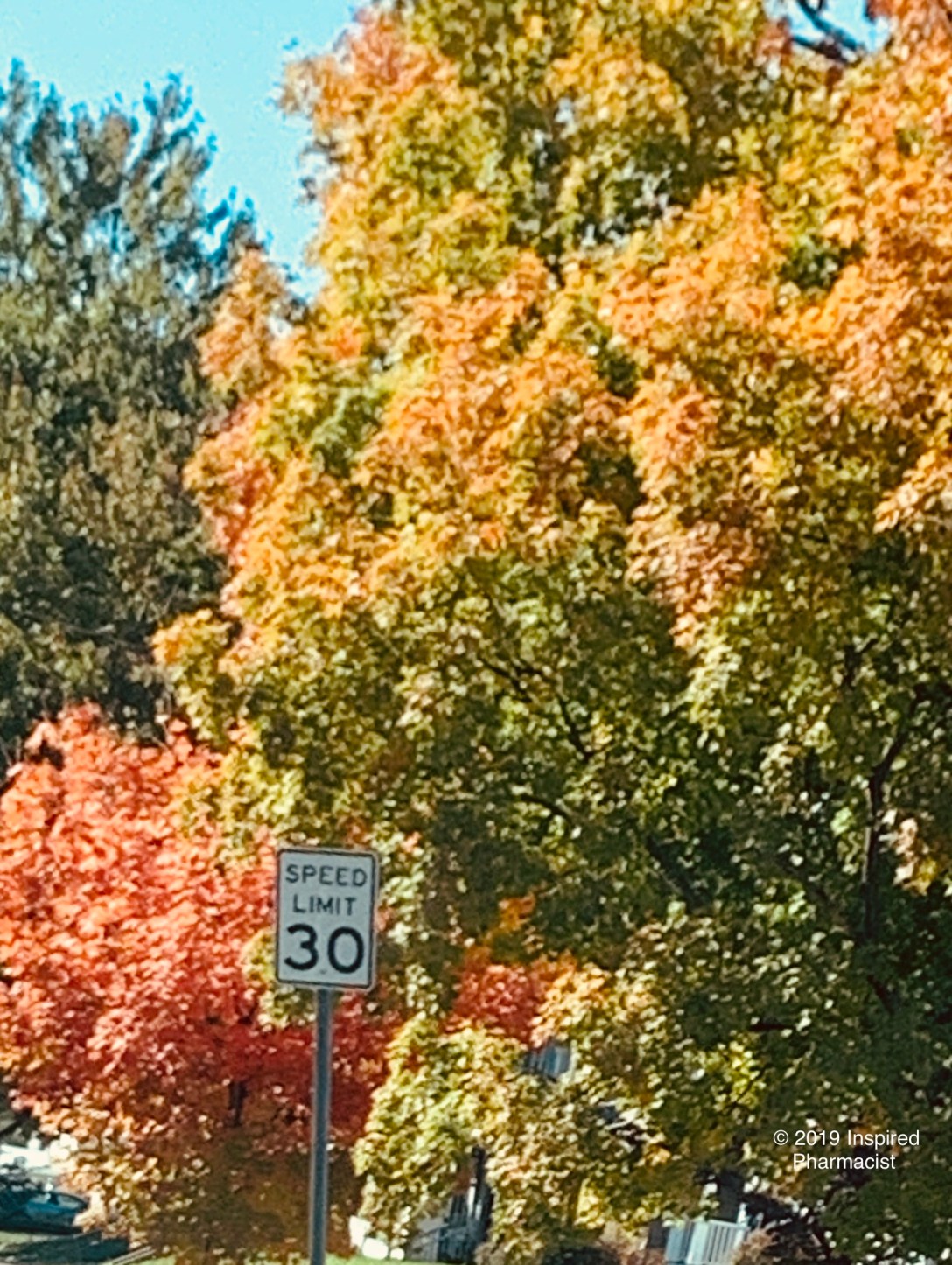
The vivid yellows, oranges and reds of autumn foliage were just beginning to appear.  I noticed them on the way to work that day. For me, fall always brings about an acute awareness of the passage of time.  It also reminds me that not all things are for all seasons.

I grew up gazing in awe at the wooded hillside bluffs of Pike County, IL painted with warm fire-like fall colors.  I used to stand outside in the cool crisp air astounded and humbled by the sight. I would watch the trees day to day and notice how the leaves would dramatically change and eventually drop. As a younger person, I would wish for beautiful leaves year round.  Now, I understand this universal principal: in order to grow, we must release something.  Hanging on to what can no longer be possible hinders our development.

While the leaves teach us the beauty of letting go, they also remind us to celebrate the loveliness of how we have grown in the previous seasons of life.  Like the leaves, we have a limited time here on earth. We MUST continually evaluate our purpose and reignite our passions.

As I looked at the patient’s husband, so near to losing a woman who was obviously the love of his life, I was overcome with joy as he lovingly said to her, “I wouldn’t have traded a single day with you.” To them I would like to say, thank you for sharing the beauty of your marriage vocation.  Thank you for briefly showing us the legacy your children will inherit and paving the way for a new generation. We should cherish and enjoy our relationships while we still have time. Like leaves on the trees, you reminded those of us lucky enough to be in the room that letting go can be beautiful. How blessed I am to witness and acknowledge the seasons of change.

Leave a comment: What are some beautiful things in your life that you’ve let go of, and how have they helped you to change and grow?

© 2019 Inspired Pharmacist

*Name and some details changed to protect the privacy of others.

Hail Mary

You can’t outwit fate by trying to stand on the sidelines and place little side bets about the outcome.  Either you wade in and risk everything to play the game, or you don’t play at all.  And if you don’t play, you can’t win. -Judith McNaught

Football season is in full swing around the Midwest.  I have spent many weekends recently on the sidelines watching the team my husband volunteers to coach.  Because I did not grow up watching football, and my high school did not have its own team, this has all been a learning experience.  I am slowly growing to appreciate the game. Notably, I am now critically evaluating how I believe the game could be better played and what penalties I would like to see enforced.  (I am frequently annoyed by the time outs at the end of the game! Illegal time out, anyone?) The play I now love to see incorporated in a game is better known as the “Hail Mary.”  Football is not really my thing, so I never gathered the true meaning of the term until a physician used it to describe the treatment plan for Mrs. C.*

 I had just received a call about her minutes before – “need you in the ER for a code.” When I walked into the room, the physician said, “she’s only 45, so I’m not going to call it, yet. What else can we do?”  I quickly went through my arsenal of ideas, slowly eliminating each one from my mental checklist of options, except for one.  “We could try this treatment,” I said.  “I’m thinking it will have a low probability of a good outcome, but based on what you are telling me, it makes sense to use it in this case.” The physician said, “it sounds like a Hail Mary, but we have to try.”  

 The physician was correct.  It was a Hail Mary play in the truest sense. A desperate measure to resolve a serious problem at the very last minute.  It was unlikely to be successful.  Truly, divine intervention would be needed for the treatment to succeed.  Therefore, I prepared the drug and hoped that against all odds it would work.  We had no other choice.  The treatment did not seem so risky when all other options were exhausted.

 When the nurse gave the medication, I prayed.  With every pulse check and every blip on the cardiac monitor, I prayed harder.  I kept my hand diligently on the femoral artery, anticipating that at any moment I would feel something other than my own pounding heartbeat. I prayed harder.

 As we left the room that day, the physician said, “Well, we did everything we could.”  He was right; we did it all, and then some.  It is at that exact moment when I realized that many times in our lives we are all faced with a decision of whether or not to take a risk. Not all of these risks are matters of life and death. Sometimes it is taking a new job, moving positions within the same organization, starting a new business, or just doing something outside your comfort zone.   Greatness requires risk.  Whether or not you are successful, the risk will stretch you and give you confidence in yourself and the faith to try again the next time.  

 I now understand why the “Hail Mary” pass is so important.  Whether or not the risk was worth it in the end does not matter.  What matters is leaving it all on the field.  You cannot expect to win if you give up.  Never leave the room thinking you could have given more.  


How will you identify the daily “Hail Mary” opportunities in your life?


 © 2019 Inspired Pharmacist

*Name and some details changed to protect the privacy of others.


Piecing Shattered Dreams Into A Beautiful Story

“If your heart is broken, make art with the pieces.” – Shane Koyczan

The low-pitched, gut-wrenching, tortured wail of grief sounds the same in every language. A sound that gives you chills to your core.  The sound of unbridled pain.  Sometimes, after especially brutal shifts, I can still hear those horrifying screams ringing in my ears.

The first time I heard it, I was a student; the patient was eight.  He had been admitted the entire time I was on my pediatric rotation with complications from leukemia, but was slowly improving. In fact, the medical team was talking about transferring him out of the ICU.  He unexpectedly coded one day while we were rounding; his mom was in the shower.  She heard the alarms and came running, arriving to the room barely dressed and soaking wet.  Because I was a student, I smashed myself against the wall to observe.  He did not make it.

As they called time of death, and the alarms that initially alerted us to his deteriorated condition were silenced, I remember looking around the room trying to find something familiar, because everything in that moment seemed so foreign.  It was not right; he was too young to die.  Hanging around the room were hundreds of letters and cards from his classmates, wishing he would be well again.  All of them telling the story of his vibrant life, a stark contrast to what I now saw.  His mother was crumpled laying on the floor in a heap near my feet, understandably weeping.  The faces of the seasoned medical professionals appeared so emotionless, mechanical, and cold.  I wondered how they could be so unfeeling.  I wanted to lay on the floor with his mother, but I pulled myself together, fearing I would appear weak.  I did not cry until I got into my car that night.  In my grief over his life cut short, I made a vow to myself that I would never be so detached.

Walking in the room that day, I thought I would learn about the role of a pharmacist in a pediatric code, and I did, but it also deeply and completely changed me.  The idea that I could grow through this experience still seems objectionable.  However, death and loss teach us something about ourselves and challenge our assumptions.  We have no choice about death.  We have no choice but to grieve.  What we can choose is how we will respond…will we grow better, or will we grow bitter?

It was in that moment that I chose to grow better.  I reassessed my life and how I functioned within it.  My priorities changed. Now, every day, I make a choice to be optimistic and kind to those I encounter.  I am determined to truly listen to those around me.  I dive deep into my spirituality, because what good is all this without the love of God beside me.  I have realized that I am stronger than I ever thought or knew I was.  Most of all, I am grateful for my life.  His death taught me about living; it also changed a job into my vocation.  I wish I could tell his mom how much he touched my life and changed my attitude.

When I made the promise that I would never grow jaded, I also vowed that if there ever came a day when I, too, was emotionless, mechanical, and cold, I would hang it up. Yet, how do I remain optimistic despite the heartbreaking things I regularly see?  The truth: there is no simple answer.  Thus, Inspired Pharmacist was created to document this journey, my journey.  A journey of gratitude, hope, love, and resilience – the good drugs of life.

*Names and some details changed to protect the privacy of others
Copr 2019 Inspired Pharmacist