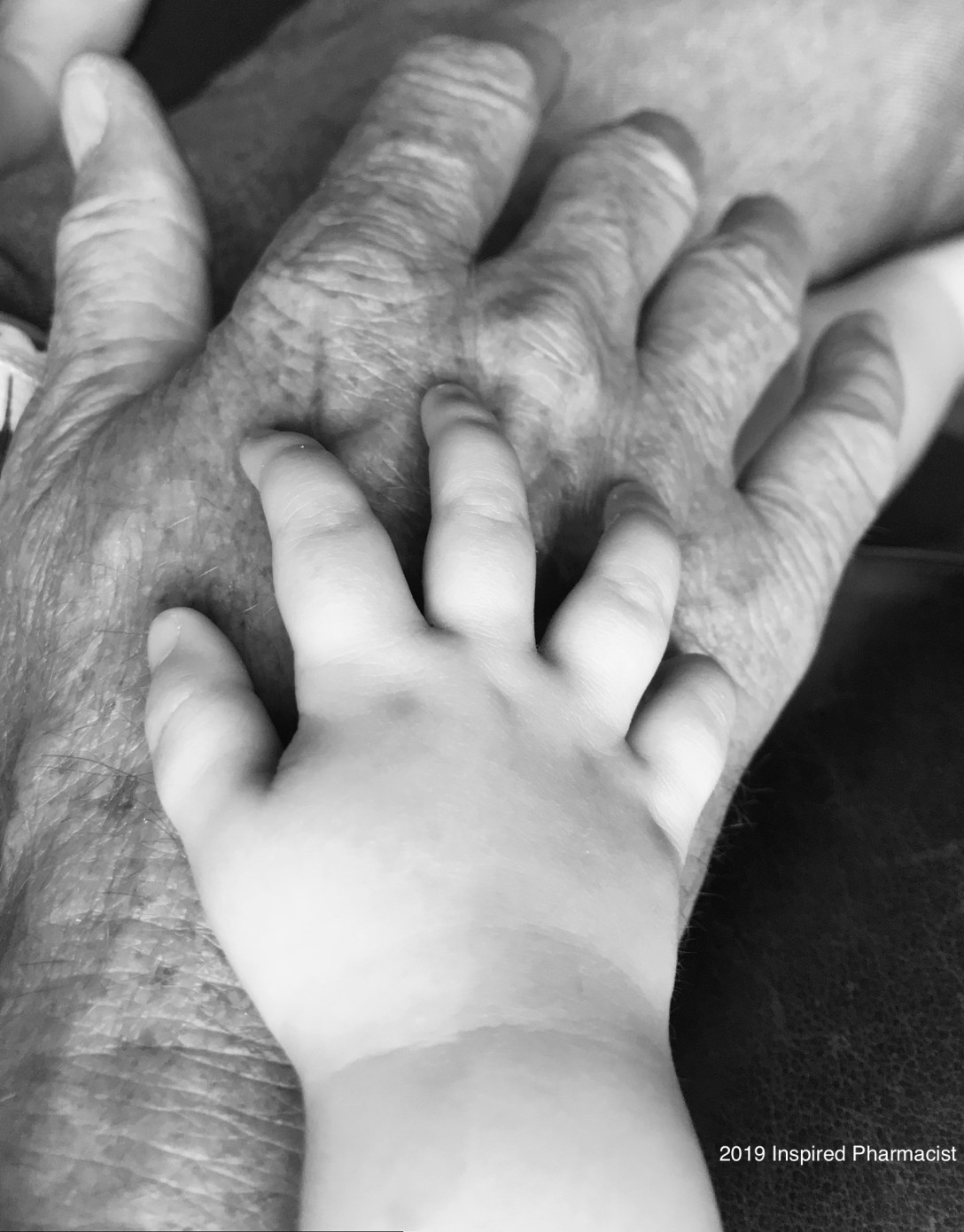
If you want to end your isolation, you must be honest about what you want at a core level and decide to go after it. – Martha Buck
Mrs. C* was 96 when I met her. She arrived to us from a nursing home after the staff called EMS for altered mental status. As soon as they walked out of the room, she yelled to the nurse, “I’m not really sick, I just had to get out of there, those people are driving me nuts.” Realizing it may be a while before someone from the nursing home could come get her, the nurses sat her in a chair at the nurse’s station near my desk. She said hello to everyone who walked by. To me, she seemed eccentric! She had bright pink hair, fiery red nails, and insisted on wearing a leopard print robe instead of a hospital issued gown. When I complimented her on her attire, she said, “What can I say, I just love beautiful things.” She spoke in such a way that it made me want to continue listening. All of the sudden, I started imagining she had been an actress in her life before the nursing home stay. Her theatrical skills, more than any illness had brought her to the hospital.
She told me about her children, how they lived far away, and about how the workers in the nursing home meant well, but often left her alone for hours at a time. She told me she felt so isolated from the world, and that this, her trip to the hospital, was the highlight of her month. It was interesting to me that surrounded by others, she could still feel isolated. She felt isolated because the deep relationships and companionship she so desperately desired were not present.
At some point after my interaction with Mrs. C, I read that isolation is more detrimental than some chronic diseases and increases the risk of mortality more than smoking. It is not just the elderly who are affected. It is also the poor, the bullied, the grieving, the people on the margins of society, and the rejected. Many people who are lonely and isolated, are too intimidated to speak up and form relationships even though that is what they ultimately desire. The most remarkable statistic…a heartbreaking statistic…25% of Americans have no meaningful social support. TWENTY-FIVE PERCENT without one single person they can confide in, the statistics are staggering.
I am sure there are a million and one things that contribute to this statistic – smart phones, long commutes, work hours, and distractions to name a few. Basically, life in the twenty-first century. After reading those statistics, it has become increasingly more important to me to help break the pattern. Why? Because personal relationships and a connectedness with others impacts human resilience. Personal relationships require communication, encouragement, reassurance and trust. Our personal relationships provide the security of knowing that others will be there when we need them, and likewise we will be there when they need us.
Many would have been irritated with Mrs. C’s constant interruption in their work schedule and the waste of resources she occupied during transport to and from the hospital. However, what I realized after my interaction with her was that her isolation WAS an emergency. So, I’ll leave you with this piece of advice. Work to fill up someone’s emotional cup this week. If you are feeling lonely or isolated, open yourself up to the love of the people in your life. Check on or get to know your neighbors. It may not be easy, neither will it be perfect, but perhaps in time the abyss will begin to fill. Be a healer…the cure could be as simple as conversation. Sometimes, medicine is not about medicine at all!
*Name and some patient information changed to protect the privacy of others
©2019 Inspired Pharmacist
 Inspired Pharmacist